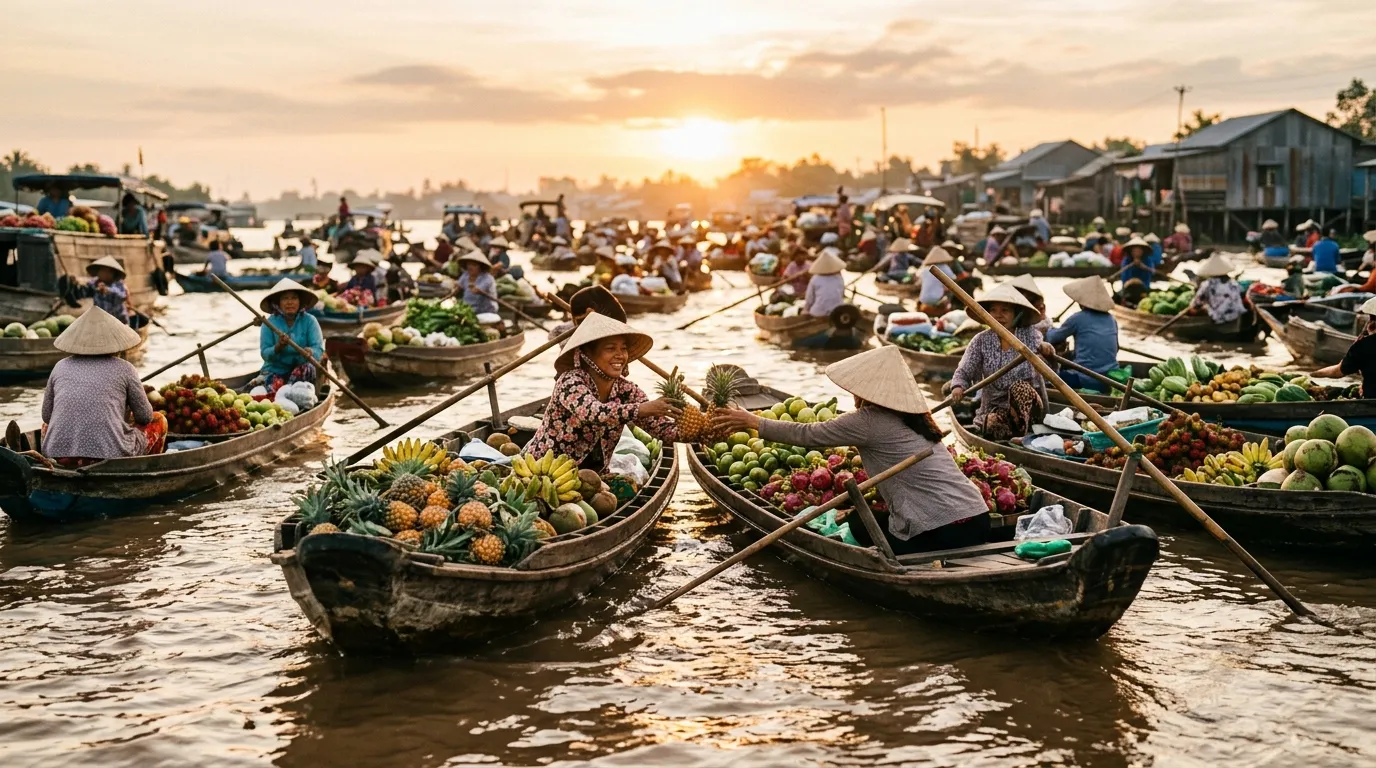
Traveling to Vietnam can be an enriching experience filled with vibrant culture, breathtaking landscapes, and mouthwatering cuisine. To ensure a seamless adventure, here’s an exhaustive breakdown of what to prepare.
1. Documents & Logistics
Passport & Visa
Passport: Ensure your passport is valid for at least six months beyond your intended stay. Check for any blank pages, as many countries require at least one blank page for entry.
Visa Requirements: Depending on your nationality, you may need to apply for a visa. Below is a list of countries whose citizens can enter Vietnam without a visa for short stays:
List of 25 Countries with Visa-Free Entry (2025)
Countries | Passport Required | Maximum Stay |
|---|---|---|
Belarus | Yes | 45 days |
Brunei | Yes | 14 days |
Cambodia | Yes | 30 days |
Chile | Yes | 90 days |
Denmark | Yes | 45 days |
Finland | Yes | 45 days |
France | Yes | 45 days |
Germany | Yes | 45 days |
Indonesia | Yes | 30 days |
Italy | Yes | 45 days |
Japan | Yes | 45 days |
Kyrgyzstan | Yes | 30 days |
Laos | Yes | 30 days |
Malaysia | Yes | 30 days |
Myanmar | Yes | 14 days |
Norway | Yes | 45 days |
Panama | Yes | 90 days |
Philippines | Yes | 21 days |
Russia | Yes | 45 days |
Singapore | Yes | 30 days |
South Korea | Yes | 45 days |
Spain | Yes | 45 days |
Sweden | Yes | 45 days |
Thailand | Yes | 30 days |
United Kingdom | Yes | 45 days |
80 Countries Eligible for E-Vietnam Travel Visa
N1 | ICAO | Nation |
|---|---|---|
01 | AND | Andorra |
02 | ARG | Argentina |
03 | ARM | Armenia |
04 | AUS | Australia |
05 | AUT | Austria |
06 | AZE | Azerbaijan |
07 | BLR | Belarus |
08 | BEL | Belgium |
09 | BIH | Bosnia and Herzegovina |
10 | BRA | Brazil |
11 | BRN | Brunei |
12 | BGR | Bulgaria |
13 | CAN | Canada |
14 | CHL | Chile |
15 | CHN | China (Including Hong Kong SAR and Macau SAR passport holders; not applicable to Chinese e-passport holders) |
16 | COL | Colombia |
17 | HRV | Croatia |
18 | CUB | Cuba |
19 | CYP | Cyprus |
20 | CZE | Czech Republic |
21 | DNK | Denmark |
22 | EST | Estonia |
23 | FJI | Fiji |
24 | FIN | Finland |
25 | FRA | France |
26 | GEO | Georgia |
27 | DEU | Germany |
28 | GRC | Greece |
29 | HUN | Hungary |
30 | ISL | Iceland |
31 | IND | India |
32 | IRL | Ireland |
33 | ITA | Italy |
34 | JPN | Japan |
35 | KAZ | Kazakhstan |
36 | KOR | Korea (South) |
37 | LVA | Latvia |
38 | LIE | Liechtenstein |
39 | LTU | Lithuania |
40 | LUX | Luxembourg |
41 | MKD | Macedonia (The former Yugoslav Republic) |
42 | MLT | Malta |
43 | MHL | Marshall Islands |
44 | MEX | Mexico |
45 | FSM | Micronesia (Federated States of) |
46 | MDA | Moldova |
47 | MCO | Monaco |
48 | MNG | Mongolia |
49 | MNE | Montenegro |
50 | MMR | Myanmar |
51 | NRU | Nauru |
52 | NLD | Netherlands |
53 | NZL | New Zealand |
54 | NOR | Norway |
55 | PLW | Palau |
56 | PAN | Panama |
57 | PNG | Papua New Guinea |
58 | PER | Peru |
59 | PHL | Philippines |
60 | POL | Poland |
61 | PRT | Portugal |
62 | QAT | Qatar |
63 | ROU | Romania |
64 | RUS | Russia |
65 | WSM | Samoa |
66 | SMR | San Marino |
67 | SRB | Serbia |
68 | SVK | Slovakia |
69 | SVN | Slovenia |
70 | SLB | Solomon Islands |
71 | ESP | Spain |
72 | SWE | Sweden |
73 | CHE | Switzerland |
74 | TLS | Timor Leste |
75 | ARE | United Arab Emirates |
76 | GBR | United Kingdom of Great Britain and Northern Ireland |
77 | USA | United States of America |
78 | URY | Uruguay |
79 | VUT | Vanuatu |
80 | VEN | Venezuela |
Flights & Accommodation
Booking Flights: Look for flights well in advance, especially if traveling during peak seasons (e.g., Tet Festival). Use fare comparison websites to find the best deals.
Choosing Accommodation: Research hotels, hostels, or homestays based on your budget and preferences. Consider locations that provide easy access to attractions. Look into reviews on platforms like TripAdvisor or Booking.com.
Travel Insurance
Comprehensive Coverage: Obtain travel insurance that covers medical emergencies, trip cancellations, lost luggage, and personal liability. Check if your insurance covers activities you plan to engage in, such as trekking or motorbiking.
Currency Exchange
Vietnamese Dong (VND): Familiarize yourself with the local currency. Exchange some money before arrival for immediate expenses like transport or meals. Use authorized banks or exchange counters for better rates, and avoid exchanging money at airports if possible. You can get more information for Travel Tips for Money Exchange in Vietnam
2. Packing Essentials
Clothing
Weather Considerations: Vietnam’s tropical climate means it can get hot and humid. Pack lightweight, breathable clothing made from natural fibers like cotton or linen. Include:
Casual Wear: T-shirts, shorts, and sundresses for daily activities.
Layers: A light jacket or sweater for cooler evenings or air-conditioned places.
Modest Clothing: Long-sleeved shirts and pants are advisable for visiting temples or rural areas.
Footwear
Comfort is Key: Bring comfortable walking shoes for exploring cities and attractions. Sandals are great for relaxation, while water shoes can be handy for beach trips or river activities.
Accessories
Sun Protection: A wide-brimmed hat and UV-protection sunglasses are essential.
Sunscreen: Choose a high-SPF sunscreen to protect against sunburn, especially if you plan to spend time outdoors.
Insect Repellent: Mosquitoes can be prevalent, particularly in rural areas and during evenings.
Medications
Personal Medications: Bring any prescription medications you take regularly, along with a doctor’s note if necessary.
Over-the-Counter Drugs: Common medications for headaches, stomach issues, and allergies can be useful.
First-Aid Kit
Basic Supplies: A compact first-aid kit with adhesive bandages, antiseptic wipes, gauze, and pain relievers will serve you well for minor injuries.
3. Health & Safety
Vaccinations
Consult Healthcare Providers: Before traveling, consult your doctor about recommended vaccinations, which may include:
Hepatitis A & B
Typhoid
Japanese Encephalitis (especially if visiting rural areas)
Food & Water Safety
Eating Wisely: While street food is a highlight, choose vendors that are busy and popular with locals. Avoid raw or undercooked foods and always opt for bottled water to stay hydrated.
Traffic Safety
Navigating Chaos: Traffic in Vietnam can be overwhelming. Be cautious when crossing streets; look both ways and walk confidently. Consider using pedestrian crossings where available.
Scams
Stay Alert: Be aware of common scams, especially involving taxi services. Use reputable companies or ride-hailing apps like Grab to avoid being overcharged.
4. Culture & Etiquette
Respect Local Customs
Religious Sensitivity: Dress modestly when visiting temples or pagodas. Women should cover their shoulders and knees, while men should avoid wearing shorts. Remove shoes before entering homes and sacred places.
Learn Basic Phrases
Language Basics: Knowing a few Vietnamese phrases can go a long way. Try to learn:
"Xin chào" (Hello)
"Cảm ơn" (Thank you)
"Xin lỗi" (Excuse me/Sorry)
"Tạm biệt" (Goodbye)
Bargaining
Market Etiquette: Bargaining is common in local markets. Start by offering about half the initial asking price, and negotiate while maintaining a friendly demeanor.
Photography
Ask Before Shooting: Always ask for permission before taking pictures of people, especially in rural areas. Be aware of photography restrictions in sacred spaces.
5. Electrical Standards
Voltage and Plug Types
Standard Voltage: Vietnam operates on a standard voltage of 220V with a frequency of 50Hz.
Common Plug Types:
Type A: Two flat, parallel pins.
Type C: Two round pins.
Type F: Two round pins with two ground clips on the side.
Type G: Less common, but some places may have three-pin sockets (like the UK's).
What to Do
Check Your Devices: Verify the voltage requirements of your electronics. If they are designed for 110V (common in the US), you’ll need a voltage converter.
Get a Travel Adapter: If your devices use plug types other than A or C, purchase a universal travel adapter before you go or when you arrive in Vietnam.
Consider a Voltage Converter: If your devices are not compatible with 220V, a voltage converter is necessary to prevent damage.
Avoid Overloading Outlets: Use one device per socket to prevent electrical issues.
Consider Surge Protectors: These can protect your devices from power fluctuations, which can be common in some areas.
Where to Buy Adapters
Purchase Options: You can find travel adapters at online retailers (like Amazon), electrical stores, convenience stores (such as Circle K or Family Mart), and some hotels in Vietnam.
6. Other Tips
Stay Connected
Mobile Connectivity: Consider purchasing a local SIM card upon arrival for affordable internet access and calls. This will help you navigate and stay in touch with family or friends.
Research Transportation
Getting Around: Familiarize yourself with local transportation options:
Taxis and Ride-Hailing: Use apps like Grab for convenience.
Buses: An affordable option for intercity travel, though schedules can be less reliable.
Trains: Consider the railway for scenic routes, especially between major cities.
Enjoy the Food
Culinary Exploration: Dive into Vietnam’s culinary offerings, including street food, local markets, and restaurants. Don’t miss iconic dishes like pho, banh mi, and fresh spring rolls.
Plan for the Weather
Regional Variations: Vietnam experiences diverse climates. The north can be cooler, particularly in winter (December-February), while the south remains warm year-round. Check the forecast for your travel dates and pack accordingly.
Cultural Experiences
Engage with Local Life: Consider joining cooking classes, cultural workshops, or guided tours to immerse yourself in Vietnamese culture. This can provide deeper insight into local traditions and lifestyles.
By meticulously preparing these elements, you can enhance your experience in Vietnam and create lasting memories of this beautiful country. Enjoy your adventure!