Weather in Ha Giang During February
February in Ha Giang offers a delightful climate, transitioning into the vibrant season of spring. The highlands are draped in fresh greenery and colorful blossoms, creating a picturesque scene. Temperatures typically range between 18°C and 28°C, with cooler mornings and evenings. Rainfall is minimal, allowing visitors to enjoy crystal-clear skies and sweeping valley views.
How to Reach Ha Giang
Sleeper Bus
For a comfortable journey, many travelers opt for sleeper buses from Hanoi. The trip takes about 6-7 hours, with departures available at various times. A ticket typically costs around 300,000 VND. Overnight buses allow travelers to rest before arriving in Ha Giang early in the morning.
Motorbike Adventure
For those seeking an adventurous experience, riding a motorbike through Ha Giang Loop is an exhilarating choice. The rugged mountain roads provide a thrilling journey, allowing for flexibility in exploration and countless opportunities to admire breathtaking landscapes.
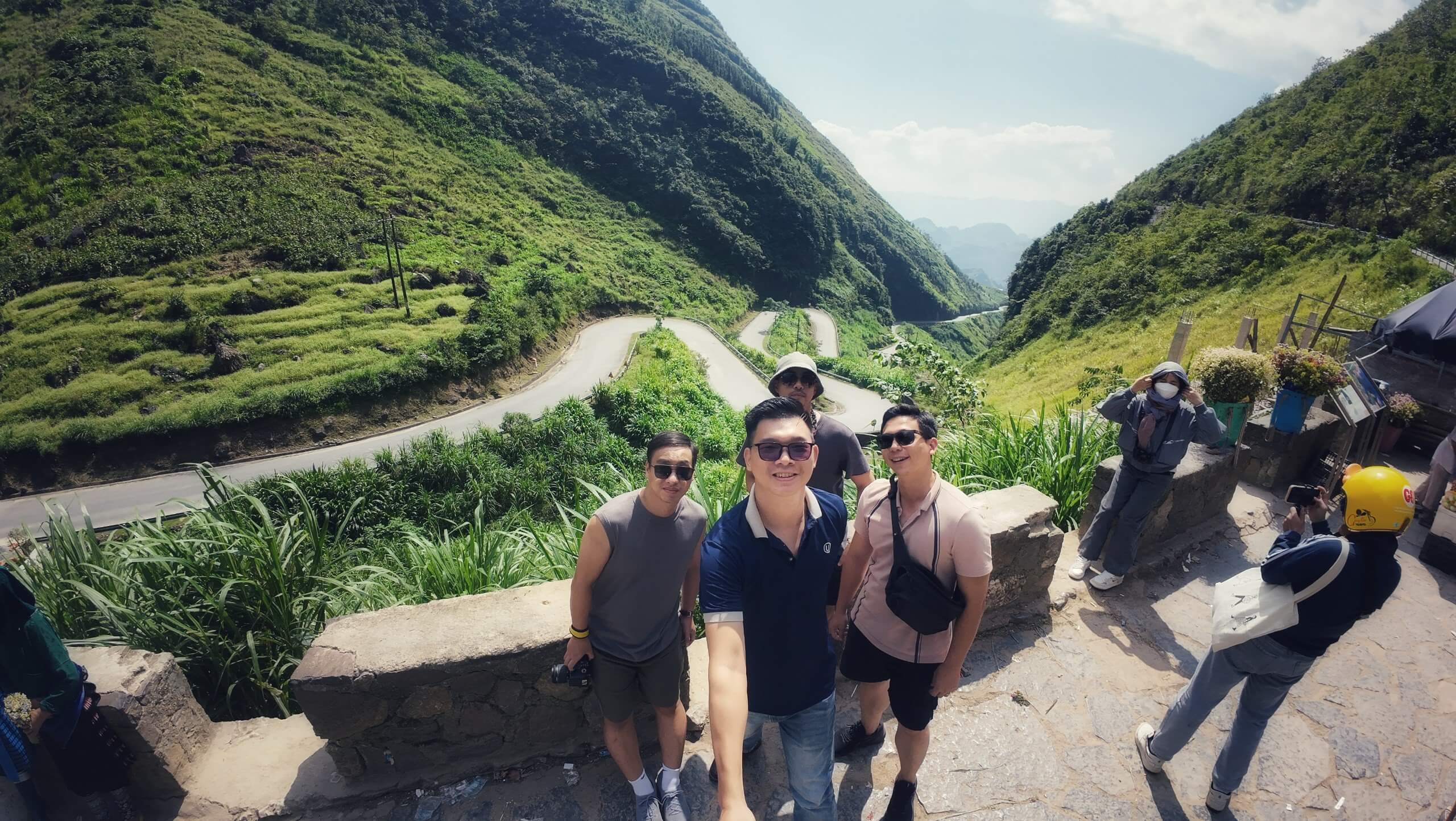
Must-Visit Destinations in Ha Giang Loop
Lung Cu Flag Tower
Situated at Vietnam’s northernmost point, Lung Cu Flag Tower is a symbol of national pride. The journey to this landmark takes travelers through the stunning districts of Quan Ba, Yen Minh, and Dong Van.
Dong Van Old Quarter
Blending Chinese architectural influences with traditional Vietnamese aesthetics, Dong Van Old Quarter is a cultural hotspot. With charming cafés and homestays, it’s a wonderful place to experience local heritage.
Meo Vac
Known for its mesmerizing plum blossoms, Meo Vac is a paradise for nature lovers. Visitors can also explore Ma Pi Leng Pass, one of Vietnam’s Four Great Passes, offering breathtaking views over the Nho Que River.
Delicacies to Try in Ha Giang Loop
Buckwheat Cake (Bánh Tam Giác Mạch): A mildly sweet and nutty cake made from buckwheat flour.
Thắng Dền: Glutinous rice balls served in a hot, sweet syrup with coconut milk and ginger.
Thắng Cố: A traditional stew made with horse meat, showcasing the authentic flavors of the region.
Five-Color Sticky Rice (Xôi Ngũ Sắc): A vibrant dish with naturally dyed rice in five colors.
Ấu Tẩu Porridge (Cháo Ấu Tẩu): A hearty porridge infused with medicinal herbs.
Ha Giang Sour Pho (Phở Chua Hà Giang): A tangy and refreshing take on the classic Vietnamese pho.
Steamed Rice Rolls (Bánh Cuốn): Served with flavorful soup and pork sausage.
Thang Den - one of traditional Ha Giang cuisine
Essential Tips for Traveling to Ha Giang in February
Plan Ahead: Ha Giang is a remote destination with diverse ethnic cultures, so having an itinerary is beneficial.
Check Your Vehicle: If traveling by motorbike, ensure your bike is in top condition, as repair services can be scarce.
Pack Wisely: Light, comfortable clothing, along with warm layers, is recommended for varying temperatures.
FAQs
Are the roads on the Ha Giang Loop difficult in February?
While the roads remain challenging due to mountainous terrain, February’s dry weather makes travel safer compared to the rainy season.
How long does it take to complete the Ha Giang Loop?
On average, travelers spend 3 to 5 days exploring the loop, depending on their pace and stops.
What should I bring for the Ha Giang Loop in February?
Layered clothing, sunscreen, sturdy footwear, and a camera to capture the stunning scenery!
We hope the information provided about Ha Giang in February helps you plan your upcoming trip. Our local travel experts are always ready to assist you in customizing a tour, ensuring you don't miss any exciting experiences. Feel free to leave a comment below or reach out to World Mate Travel using the contact information below:
Email: sales@worldmatetravel.com
WhatsApp: +84 988660505
Ha Giang Monthly Weather Guide: When to Go & What to Do
Curious about the best time to visit Ha Giang? Explore this detailed monthly guide to Ha Giang’s weather and discover top activities, travel tips, and scenic highlights for each season along the famous Ha Giang Loop.